
| Currently viewing: Our environmental performance / Next: Independent assurance report to the directors of MTN Group Limited |
 |
 |
 |
Downloads |  |
Home |
Our environmental performance
The MTN Group has identified the three most material areas of environmental impact where our efforts can have a less harmful impact on the environment, and where we can help our customers and communities to also reduce their impact. These include:
- MTN’s use of energy and the associated carbon impact;
- The global proliferation of electronic and electrical waste and our response to this issue; and
- How we ensure that the implementation of our networks takes environmental impacts into account.
In this integrated report we present an overview of our energy use, and carbon and climate-related impact, risks and opportunities. For more detail on this, as well as the remaining focus areas (e-waste and network impact) we refer readers to our website www.mtn.com/sustainability/ eco-responsibility.
Energy, carbon and climate
In 2012, we improved our internal skills base and reporting processes in all our operations to more effectively understand our use of energy and its environmental impact. As a result, 54% of our operations have now submitted Carbon Disclosure Project reports (up 21% from 2011). We also improved our reporting and review of financial, physical and regulatory risks and opportunities posed to our business as a result of our use of energy.
 Carbon footprint by scope (tonnes CO2e) Carbon footprint by scope (tonnes CO2e) |
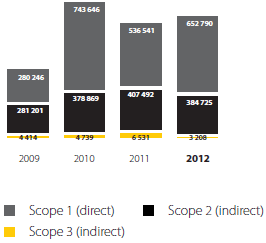 |
Although the number of reporting operations increased, material under-reporting by some of the largest MTN operations and non-reporting by others, have led us to determine that our 2012 reported carbon emissions from energy use across all scopes is under-reported by approximately 40%. As a result, we have not met our objective of setting the energy costs and greenhouse gas emissions of our 2012 business operations as the baseline by which to measure reduction efforts. Although we are actively using a number of solutions to reduce our use of energy and our greenhouse gas impact, we are unable to measure the results and direct financial and greenhouse gas reduction benefits. We are actively working to rectify this situation in 2013. We are still clear though, that the largest areas of our energy consumption and greenhouse gas reductions remain our network and base stations sites, switches and data centres, and therefore continue to focus our efforts to reduce energy consumption and improve efficiencies here (in addition to technology and facility services which are also material energy consumers).
The top climate-related risks to our business are being detailed as part of risk mitigation planning by our operations, and include increasing costs, increased flooding and higher temperatures in some countries, resulting in more costly and difficult maintenance cycles and fuel management, and increasing regulatory motions or activity in a number of countries with respect to overall climate change.
We continue to investigate and implement mechanical, electrical and architectural solutions to our largest impact areas (network sites, switches and data centres), to improve energy efficiency, manage costs, and reduce overall greenhouse gas impact. These range from free cooling, improved efficiency of radio and data centre equipment, network upgrades, increased use of deep cycle batteries, and implementing hybrid diesel generator and battery solutions to reduce the use of diesel. Infrastructure consolidation, virtualisation and upgrades also ensure a greater degree of energy efficiency.
We continue to also increase our use of predominantly solar power for our network sites. Wind and - to a lesser degree - hydro power also remain other sources of direct and indirect energy for our sites. More details on our latest activities can be located in the MTN Group 2012 Carbon Disclosure Report to be published on our website towards the end of May 2013.
We are also making strides on helping other industries manage or reduce their environmental impact. MTN's telemetry, smart and machine-to-machine solutions that improve corporate and industrial efficiency range from water and vehicle fuel use, automated energy metering, and air quality management. More information about these solutions is available on www.mtn.com (offerings and innovation) and www.mtnbusiness.com.
 |
 |
|