Governance
Governance structure

Commitment to ethical and effective governance
The board remains committed to good governance and international best practice standards. It is
committed to ensuring an unequivocal tone from the top that requires a commitment by all directors
and employees to the values of integrity, transparency and uninterrupted oversight over the company.
This is to ensure that MTN monitors and addresses all governance issues within its operating units 
In 2017, the company focused on reviewing its application and adherence to the 17 King IV principles. In 2018, there will be a continued focus on addressing any gaps identified in terms of King IV. The
board is satisfied, however, that MTN has substantially applied the King IV principles. More information
on the application of the 17 King IV principles is set out on our website. 
Leadership
Role of the board
The board is responsible for the adoption of strategic plans, the monitoring of operational performance and management, and the development of appropriate and effective risk management policies and processes. It fulfilled all these responsibilities in the year.
Key achievements in accordance with the board charter
| Contribute to and approve strategy | Approved new BRIGHT strategy. In 2018 there will be greater focus on delivery. | ||||
| Provide oversight of performance against targets and objectives | Board received regular reports in order to perform its oversight and provide guidance on key performance areas. | ||||
| Provide oversight on key risk areas | Adopted new risk tolerance and risk appetite framework aimed at enhancing the risk identification and monitoring process. | ||||
| Overseeing the enhancement of relationships with stakeholders | Considered a new stakeholder matrix which will ensure that the company enhances its key relationships with stakeholders, this matrix will be approved in 2018. | ||||
| Ensure that the company is playing its role as a responsible corporate citizen | Each year a portion of the net profits of MTN are funnelled into the foundations and other structures in order to identify and address the needs of the countries in which we operate. The group is determined to continue making its mark in our communities. | ||||
| Review the dividend policy | Rebased the dividend. |
Board appointments and resignations
We welcomed Rob Shuter as the new group president and CEO with effect from 13 March 2017 and Ralph Mupita as group chief financial officer with effect from 3 April 2017.
Following Rob’s commencement, Phuthuma Nhleko stepped down from his role as executive chairman and reverted to his role as the non-executive chairman of the group.
Retirement of directors
In line with the Companies Act, MTN’s memorandum of incorporation requires new directors to be subject to an election at the first annual general meeting (AGM) following their appointment. Directors are also subject to retirement every three years, subject to an evaluation conducted by the board, assisted by the nominations committee.
On 25 May 2017, we announced that Alan van Biljon, who had been serving on the board since 2002, would step down on 31 December 2017. Alan Harper replaced Alan van Biljon as the new lead independent director. He will continue to lead the board in any instances where the chairman (who is not independent) is conflicted. We also announced that Phuthuma Nhleko would step down as chairman in December 2018.
Directors who have served on the board for a period of in excess of nine years retire at every AGM and are re-elected following a review of their independence and objectivity in carrying out their duties. Three directors will be retiring as a result of having served on the board for an aggregate period in excess of nine years.
This exercise ensures that shareholders have the opportunity to exercise their vote with regard to whether the MTN board has appointed the most appropriate directors to meet the best interests of the company.
Diversity and composition of the board
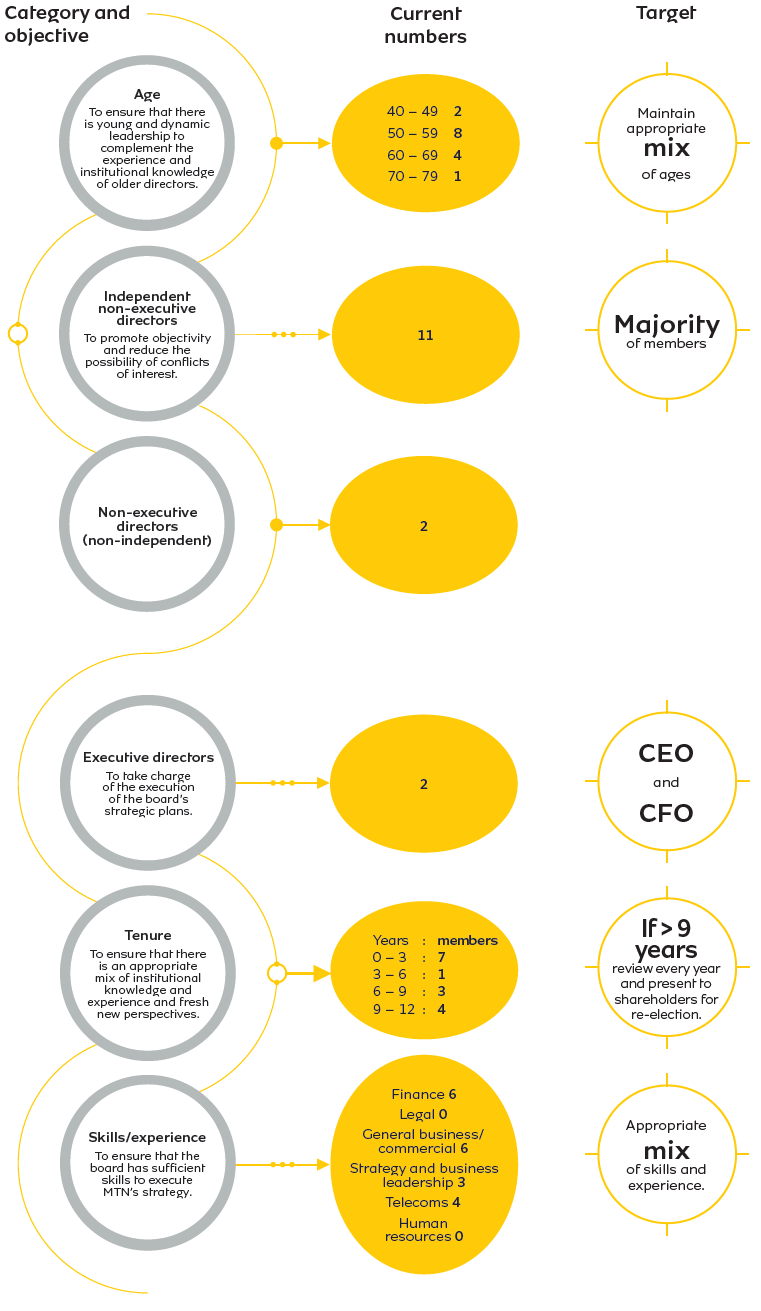
MTN acknowledges that diversity gives the board the benefit of different perspectives and ideas. We have a unitary board, consisting of an appropriate mix of knowledge and skills. The board has executive and non-executive directors (including independent non-executive directors) who represent a broad spectrum of demographic attributes and characteristics. In the year, MTN adopted a diversity component which is included in the directors’ appointment policy. The revised policy takes into consideration various categories of diversity as shown in the graphics that follow. The diverse perspectives of directors allow for proper strategic oversight as well as robust deliberation during board meetings.
Since race and gender are important attributes that contribute to a balanced composition of the board, the board recognises the need to improve the representation of women on the board and ensuring that an appropriate mix of races is represented on the board.

Board committees
The board has delegated its authority to various board committees with the mandate to deal with governance issues and report to the board on their activities on a quarterly basis. Each committee operates under terms of reference which set out roles and responsibilities, composition and scope of authority. These are reviewed on an annual basis.
The board is satisfied that in 2017 the committees effectively discharged their responsibilities, in accordance with their respective terms of reference.
| Risk management, compliance and corporate governance committee |
|
“The industry is transforming, from one driven by voice to one dominated by data and digital. This, along with changing customer demands and more onerous regulatory requirements, means that MTN’s operating environment remains both complex and dynamic. While taking advantage of the opportunities on offer, MTN needs to be cognisant of the related risks and ensure that these are appropriately mitigated in the markets in which the group operates. This necessitates even greater assessment and oversight by the committee. We continue to guide the group on managing strategic, operational and topical risks: those with the potential to impact the delivery of the group strategy, the day-to-day risks faced by opcos, as well as the risks that arise from developments in MTN’s environment. Ensuring a robust compliance model remains essential.” |
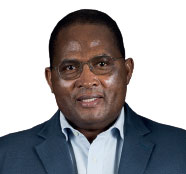
| Members | Attendance | |||
| Peter Mageza (chairman) | 4/4 | |||
| Koosum Kalyan | 4/4 | |||
| Shaygan Kheradpir | 3/4 | |||
| Dawn Marole | 4/4 | |||
| Stanley Miller | 3/4 | |||
| Nkunku Sowazi (appointed 25 May 2017) | 1/4 | |||
| By invitation: Chairman of the audit committee, group president and CEO, group CFO, group business risk officer, external auditors | ||||
Mandate The committee works to improve the efficiency of the board and assist it in discharging its duties, which include identifying, considering and monitoring risks impacting the company and ensuring compliance with prevailing legislation and other statutory requirements, including corporate governance frameworks. |
|
Key activities in 2017
|
|
Key focus areas for 2018
|
| Social and ethics committee |
|
“The committee assists the board and management in ensuring that the group’s reputation is based on a solid ethical foundation and that it is a responsible and ethical corporate citizen. This contributes to enabling a sustainable business that delivers inclusive growth. In the year, the committee continued to monitor the progress of the implementation of MTN’s ethics management programme and on ensuring that the CEOs of all our operations took responsibility for ethics management. Management and employees understand just how essential it is that everyone takes personal ownership of ethics management. We started to evolve our approach to long-term sustainability and corporate social responsibility and social investment to ensure that the company creates shared value for shareholders and communities. We will do this by making better use of MTN’s institutional capabilities. In terms of BEE requirements, we will continue to drive transformation of MTN South Africa’s supply chain by introducing more black-owned as well as black-women-owned suppliers.” More information on the work of the social and ethics committee is set out in the social and ethics committee
report on our website. |
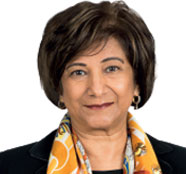

| Members | Attendance | |||
| Koosum Kalyan (chairman) | 4/4 | |||
| Peter Mageza | 4/4 | |||
| Dawn Marole | 4/4 | |||
| Jeff van Rooyen | 4/4 | |||
| By invitation: Group president and CEO, group chief human resources officer, group business risk officer | ||||
Mandate The committee performs an oversight and monitoring role to ensure that MTN’s business is conducted in an ethical and properly governed manner. It also monitors the development or review of policies, governance structures and existing practices. The committee’s responsibilities include:
|
|
Key activities in 2017
|
|
Key focus areas for 2018
|
| Audit committee |
|
“The role of the audit committee has never been more fundamental in ensuring that trust and integrity are maintained over corporate reporting, entrenched by the efficiency of internal controls, the effectiveness of the internal audit function, the independence of external auditors and optimised through a combined assurance model. The group has made substantial progress on improvements in the internal control environment, most notably in its larger operations in South Africa and Nigeria. Sustaining the actions initiated and maintaining the positive momentum remain a priority. Internal controls relating to subscriber registration, cyber security and Mobile Money were key focus areas during 2017. The implementation of a revised second and third line assurance model will gear the organisation to deal with the challenges faced and strengthen the current combined assurance model. These actions will be supported by initiatives to standardise policies and procedures across the group. Despite the progress noted to date, MTN faces challenges posed in conflict markets such as Syria, Afghanistan, South Sudan and Yemen, coupled with regulatory uncertainties in markets such as Benin, Cameroon and Rwanda.” More information on the audit committee is set out in the audit committee report in the AFS. |
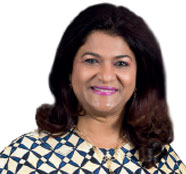

| Members | Attendance | |||
| Christine Ramon (chairman) | 4/4 | |||
| Peter Mageza | 4/4 | |||
| Paul Hanratty | 4/4 | |||
| Jeff van Rooyen | 4/4 | |||
| By invitation: Group president and CEO, group CFO, head of internal audit, head of technical accounting and financial reporting, external auditors | ||||
Mandate The audit committee assists the board in discharging its duties by monitoring the strength of the operational, financial and control processes. These include internal financial controls and ensuring that assurance services and functions enable an effective control environment and that these support the integrity of information produced in compliance with applicable legal and regulatory requirements. |
|
Key activities in 2017
|
|
Key focus areas for 2018
|
| Remuneration and human resources committee |
|
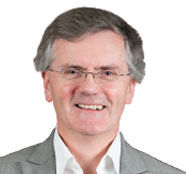
“The committee’s major focus in 2017 was related to rebuilding the management team: making sure we had the right remuneration policy, incentive arrangements and employment equity in place. We evolved the short-term and long-term incentive packages, making them suitable to recruit the people we need, as well as incentivise existing senior management. We also focused on succession planning. I am very satisfied at how the new management team has established itself and created a clear strategic direction for MTN as well as differentiation in the marketplace.” |
| Members | Attendance | |||
| Alan Harper (chairman) | 4/4 | |||
| Azmi Mikati | 4/4 | |||
| Phuthuma Nhleko | 4/4 | |||
| Nkunku Sowazi | 3/4 | |||
| Jeff van Rooyen | 4/4 | |||
| By invitation: Group president and CEO, group CFO, group chief human resources officer | ||||
Mandate The committee oversees the formulation of a remuneration philosophy and human resources approach. This is to ensure that MTN employs and retains the best human capital possible for its business needs and maximises the potential of its employees. |
|
Key activities in 2017
|
|
Key focus areas for 2018
|
Over and above the board and committee meetings, additional ad hoc board meetings were held to address various board initiatives. These meetings are not included in the register of attendance of meetings. The total number of such meetings is 14. The ad hoc meetings, including the annual board pre-budget discussion session, have been accounted for in the fee schedule.
Meetings attendance register 2017
| Names | Scheduled board (6) |
Special board (2) | Risk (4) | Special audit (6) |
Audit (4) | Nomina- tions (1) |
Remco (4) | Social and ethics (4) |
||||||||||||||||
| PF Nhleko | 6 | 2 | 1 | 4 | ||||||||||||||||||||
| R Shuter^ (by invitation) | 5 | 2 | 3 | 1 | 3 | 3 | 3 | |||||||||||||||||
| PB Hanratty | 6 | 2 | 6 | 4 | ||||||||||||||||||||
| A Harper | 6 | 2 | 1 | 4 | ||||||||||||||||||||
| KP Kalyan | 6 | 2 | 4 | 4 | ||||||||||||||||||||
| S Kheradpir | 6 | 1 | 3 | |||||||||||||||||||||
| NP Mageza | 4 | 2 | 4 | 5 | 4 | 4 | ||||||||||||||||||
| SP Miller | 6 | 2 | 3 | |||||||||||||||||||||
| MLD Marole | 5 | 2 | 4 | 4 | ||||||||||||||||||||
| AT Mikati | 6 | 2 | 1 | 4 | ||||||||||||||||||||
| NL Sowazi† | 6 | 2 | 1 | 1 | 3 | |||||||||||||||||||
| KC Ramon | 6 | 2 | 4 | 6 | 4 | |||||||||||||||||||
| AF van Biljon | 6 | 2 | 1 | |||||||||||||||||||||
| J van Rooyen | 6 | 2 | 6 | 4 | 4 | 4 | ||||||||||||||||||
| RT Mupita‡ (by invitation) | 5 | 2 | 3 | 2 | 3 | 3 |
^ Appointed 13 March 2017.
‡ Appointed 3 April 2017.
† Appointed to the risk committee on 25 May 2017.
Delegation of authority
The roles and duties of the chairman and group president and CEO are separate and clearly defined. This division of responsibilities ensures a balance of authority with no individual having unrestricted decision-making powers.
While the board plays an oversight role over the company, the group president and CEO and his executive management are empowered to manage and lead the business on a day-to-day basis, guided by an approved delegation of authority.
The company’s delegated structures, which include the board committees, encourage and promote open discussion which enhances the board’s monitoring function over all areas of the company.
Director development
In order to ensure that all directors on both the board and committees of the company are adequately equipped with the latest information and knowledge relating to the business of MTN and to continuously support them in their role as directors, the company endeavours to provide ongoing training relating to general management, corporate governance, laws and regulations and best practices affecting the business. In 2017, MTN provided the board with training on the applicable amendments to the JSE Listings Requirements. In 2018, we wish to continue with training and development for directors.
Group secretary
Directors engage with the group secretary regularly for governance and regulatory advice. She also ensures the proper administration of the board and adherence to sound ethical practices.
The performance of the group secretary, as well as her relationship with the board, is assessed on an annual basis by the nominations committee and the board. The assessment considers the competency, qualifications and experience of the group secretary and whether she maintains an arm’s-length relationship with the board. For the reporting period, the board is satisfied that she is suitably qualified and her relationship with the board is adequate to ensure her independence from director influence or conflict of interest.
Directors’ dealings
The company continued to enforce closed periods prohibiting trading in shares by directors, senior executives and employees in terms of the company’s share dealing and insider trading policies. The company imposes financial closed periods on all employees. The closed periods are effective from the end of the interim and annual reporting periods until the financial results are disclosed on SENS and any period when the company is trading under a cautionary announcement. Directors are made aware of their obligations in terms of the JSE Listings Requirements.
Business practices and ethics
In 2017, the board continued to strive to ensure that ethics is the foundation of how MTN operates and that corporate governance best practices were adhered to. With the application of the new King IV principles the directors enhanced their oversight of ethics by being more proactive in dealing with ethics. To this end, the CEOs of all the operating entities were each required to present a report to the social and ethics committee on their plans regarding the further entrenchment of ethics, key challenges and achievements.
It was evident that the operating companies still faced obstacles which staggered their progress in ethics management; however, the process has been more closely monitored by the board. As a result of its oversight, the board recognised that a lack of resources, language and cultural barriers and changing the mindset of some employees need to be focus areas going forward.
Despite the setbacks highlighted above, each operating company continues to strive to further entrench ethics and has taken a firm stance against bribery and corruption. Each company is supported by ethics champions who provide effective guidance, encourage employees to report all instances of fraud through the whistle-blowing hotline and ensure that the company’s ethics are efficiently implemented and reported to the group’s social and ethics committee on a quarterly basis.
The board also continued to manage conflicts of interest and ensured that the interests of the company were always at the forefront in all decision-making processes.
The company also continues to safeguard the interests of stakeholders, such as the community, employees, customers and suppliers, by monitoring MTN’s activities with regard to social and economic development, corporate citizenship, consumer relationships, the environment, health and public safety and labour and employment matters.
Monitoring, oversight and risk management
MTN’s corporate governance structure ensures effective internal controls and monitors the management of significant matters. The audit committee, as well as the risk management, compliance and corporate governance committee provide an environment in which challenging issues can be considered and monitored.
As required by principle 11 of King IV, the strategic and operational risk management framework of the company focuses on various risks that could affect the company’s customer experience, operational agility, cost competitiveness and stakeholder confidence. This is done through a robust risk methodology that analyses not only what the company does, but also how it is done, to guarantee sustainable economic viability, make the most of market opportunities and serve a rapidly changing market.
Performance management
The board stresses the importance of promoting a healthy workplace environment which embraces ethics and compliance through established policies based on the values of integrity, leadership, innovation, relationships and ‘can do’ as well as the vital behaviours. It promotes targeted results in a transparent and systematic manner which ensures that the company’s employees are productive, provide efficient services and demonstrate the required knowledge, skills, behaviour, competencies and engagement to perform their duties to the best of their ability.
MTN’s remuneration philosophy is aligned to the BRIGHT strategy and directly linked to each employee’s key performance indicators (KPIs). These KPIs are measured through the performance management system. In 2018, MTN will provide shareholders with an implementation report to illustrate how the remuneration philosophy for directors and prescribed officers is implemented.
Like any organisation, there are instances of unsatisfactory employee performance; however, MTN endeavours to address such issues expeditiously through internal company procedures in line with the disciplinary process and its performance management system.
Disclosure, reporting and transparency
Disclosure, reporting and transparency are fundamental components of MTN’s corporate governance framework. The company aims to be transparent and accountable to stakeholders to enable them to make an informed decision about their association with MTN.
MTN endeavours to provide timeous disclosure, especially regarding material issues, the company continues to review its policies and procedures that govern the provision of timeous, correct and complete information to stakeholders. MTN endeavours to provide information in a manner which gives all stakeholders equal access and ensures that there is no stakeholder that is treated favourably over others.
In 2017, the board re-emphasised that all matters must be provided to stakeholders in compliance with the law and applicable regulations. Accordingly, MTN strives to disclose material or price-sensitive information in a readily understandable language, to stakeholders, the public and regulators.
Stakeholder engagement and communication
The board values MTN’s stakeholders and endeavours to take their concerns and interests into account when making business decisions. This not only enables it to anticipate and manage risk effectively, but also assists the company in identifying new business opportunities and in establishing solid relationships with MTN’s stakeholders. It also makes it easier for the company to deliver on its objectives and benefit from ideas for products or services that address stakeholder needs, and at the same time allows MTN to reduce costs and maximise value. In order to ensure greater accountability, the company has a stakeholder-conscious governance model which places emphasis on dialogue and responding to stakeholder concerns and interests.